
Blog.
Writing on product verification, supplier control and developments across sectors.
Posts
What to do when a supplier appears on a food fraud list
A listing points to a specific product and batch, not a whole company. Step by step: read the record, trace affected batches, measure, decide use, hold or return, and file it.
Read the post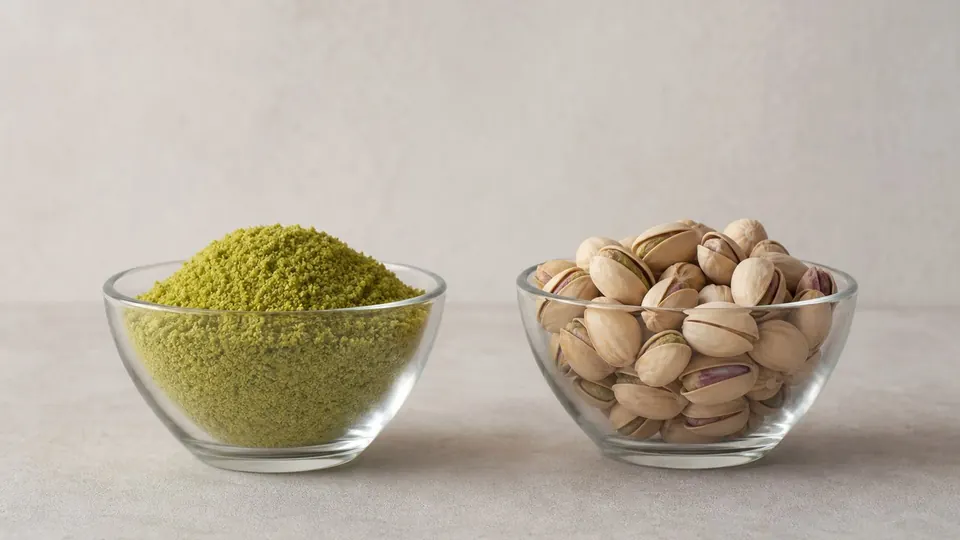
How to detect green pea and spinach adulteration in pistachio
Green pea and spinach in ground pistachio cannot be spotted by eye, and official findings also show sunflower seed and dye. What each method sees and how to set up intake.
5 min read
Substantiating "natural" and "additive-free" food claims: rules and evidence file
In Türkiye "100% natural" is not allowed and "natural" and "additive-free" are conditional. How to inventory claims before 31 December 2026 and build the evidence behind them.
6 min read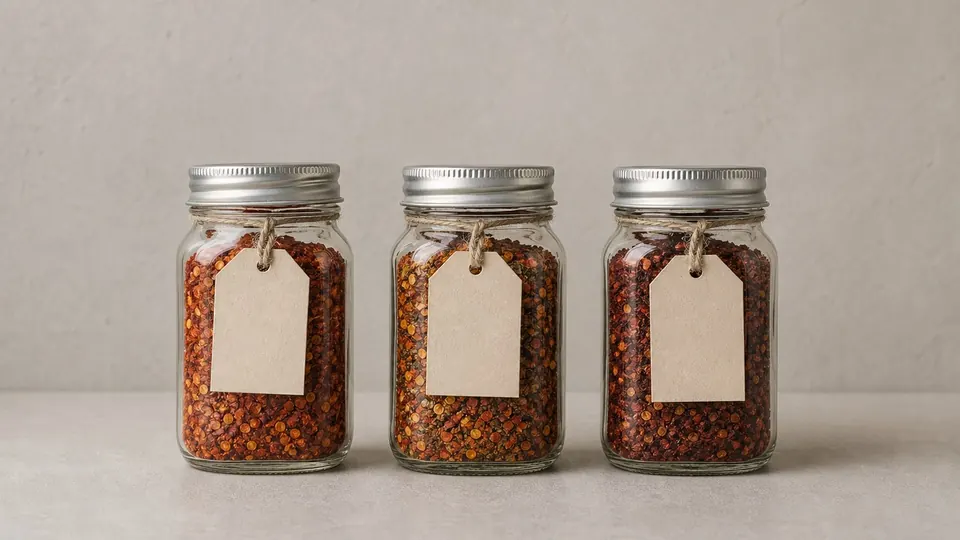
How to detect adulterated chili flakes and spices: dyes, starch and fillers
Dyes, fillers and foreign plant material in spices cannot be reliably spotted by eye. Legal limits, EU control plan findings, and which test answers which fraud.
5 min read
How do you carry out a food fraud vulnerability assessment?
BRCGS, FSSC 22000 and IFS Food require a documented vulnerability assessment but prescribe no single method. The steps of an assessment that holds up at audit, from team to review.
7 min read
Is a supplier's certificate of analysis enough at raw material intake?
A consignment-specific certificate of analysis is one basis for acceptance, not proof on its own. BRCGS and IFS expect added testing and the buyer's own verification for risky materials.
6 min read
How can you tell if a food supplement is adulterated?
Supplement adulteration runs two ways: a substance not on the label is added, or a declared ingredient comes up short. Neither shows on the capsule.
4 min read
What does NIR spectroscopy show in food analysis, and what does it not?
NIR gives a fast composition fingerprint without damaging the product. It only means something against a good reference; the final call stays with the lab.
4 min read
How is food adulteration detected?
Adulteration cannot be read from appearance, smell or the label. Composition is measured, compared with a known-good reference and confirmed in the lab.
3 min read
How do you build your own reference library?
What is the comparison made against? Sector-wide profiles are enough to start; the real value accumulates in the organisation’s own verified samples.
3 min read
What makes a sample valid?
A badly taken sample invalidates even a correctly performed measurement. The ground for a result is laid at the moment of sampling.
3 min readMeeting request
Let's decide together which of your products to examine.
The first meeting reviews your product, sales channels and the risks you face, and recommends a suitable method.
Request a meeting