Sampling
We decide how the sample is taken according to how you work. All three routes are open, and none of them asks you to build a new team.
- You send the sample
- Pre-screening on site
- Our team collects it in person

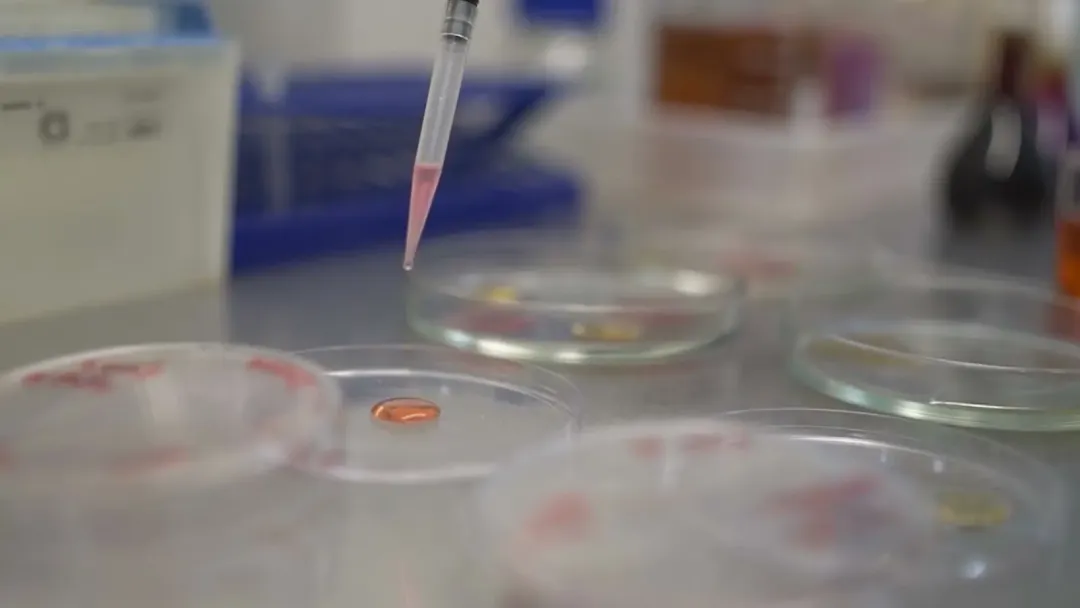
We add nothing to your product. We measure its own composition and compare it against a sample you know to be correct. The result is confirmed in the laboratory.
Analysis
Molevex is deployed without changing existing processes; scope is set through a needs analysis.
We decide how the sample is taken according to how you work. All three routes are open, and none of them asks you to build a new team.
A comparison rests on a reference. A shared pool built up over years gives you a basis from day one; as your own verified samples are added, the library becomes yours.
The definitive result comes from the laboratory. A quick look in the field points you in a direction; the decision you put in front of your buyer and your auditor rests on laboratory confirmation.
Assurance
A component mixed into a product or substituted for one shows up as a difference when compared against the reference. That is how you see that the raw material you buy and the product you sell match what is declared.
Where a product was grown or made leaves a trace in its composition. When your claim of origin rests on measurement rather than on a declaration, it holds up in front of your buyer.
Batches arriving from one of your suppliers are compared with one another over time. That is how you follow whether the quality you saw in the first delivery is holding in the ones that come after.
Every examination result is tied to the batch it belongs to. When a question arrives, you find which batch was examined and what came out of it without going looking.
The output of the examination is a report you can hand to your buyer and your auditor as it is. What was examined, what it was compared against and what the result was are on a single page.
Regulation expects you to back up the claims you make about your product. Your examination record keeps that backing ready for audits and for buyer enquiries.
Capabilities
The product's own composition is measured. Your packaging, your recipe and your machinery are left untouched.
Your own team sends the sample, pre-screening is done at the facility, or our team collects it in person.
Comparison is possible from day one, without waiting to build a reference of your own.
As batches you are confident about are added, the library becomes specific to your product.
The product is examined from more than one angle; the result settles in the laboratory and is repeatable.
Components added or substituted, and proportions that drift from the declaration, show up in the comparison.
The trace that where a product was grown or made leaves in its composition supports a claim of origin.
Every result is tied to its batch; past measurements are still in the same place years later.
What was examined, what it was compared against and what the result was, on a single page.
Users
Put the agreement between product and declaration on record at goods-in and at batch release.
Assess suppliers by how consistent they stay from batch to batch.
Read the report without waiting for a summary, and see what the result rests on.
Benefits
A supplier certificate tells you what the product is. When the measurement says the same thing, your claim stands on its own feet.
Seeing consistency from batch to batch lets you tell a good supplier apart and put the conversation on record.
When a question arrives you find which batch was examined and what came out of it without going looking.
You notice a delivery that does not match its declaration before it enters production.
FAQ
No. Your product's own composition is examined. Nothing is added to your packaging, your recipe or your production line.
Yes. The shared reference pool gives you a basis for comparison from day one. As your own verified samples are added, the library becomes specific to your product.
We choose the route that suits you together: your own team sends the sample, pre-screening is done at the facility, or our team takes on the sampling.
In the laboratory. The quick look in the field tells you which sample is worth examining further; the result you put in front of your buyer and your auditor rests on laboratory confirmation.
Yes. The report is prepared in a form you can share without writing a summary of your own, in language a non-specialist can read.
Meeting request
The first meeting reviews your product, sales channels and the risks you face, and recommends a suitable method.
Request a meeting